





READING
Intent
At West Acton Primary School, our aim is to ensure all pupils become confident, motivated, and fluent readers who read with accuracy, comprehension and enjoyment. Reading is central to our curriculum from Nursery to Year 6 and is delivered through a consistent, structured approach supported by digital Edtech and our oracy programme (Voice 21). We provide pupils with opportunities to build, consolidate and extend their reading skills, whilst developing a genuine love for reading. Our reading curriculum enables access to a broad and balanced curriculum and supports lifelong literacy. The impact of our reading curriculum extends beyond academic outcomes. Through a structured phonics programme (Little Wandle Letters and Sounds Revised), engaging comprehension lessons, oracy development and integration of digital tools, pupils develop a lifelong love of reading. They leave West Acton Primary School as confident, thoughtful and articulate readers, ready to thrive in the wider world.
Implementation
Children in Reception and Year 1 follow the Little Wandle (Letters and Sounds Revised) programme, which is taught daily to build strong foundations in phonics and early reading. Pupils in Year 2 and beyond who need further support continue to receive targeted phonics intervention. Cued articulation and Communication in Print symbols are used to support EAL and SEND learners. Half-termly Little Wandle phonics assessments, including digital assessment tools, inform targeted Keep-Up groups and additional interventions.
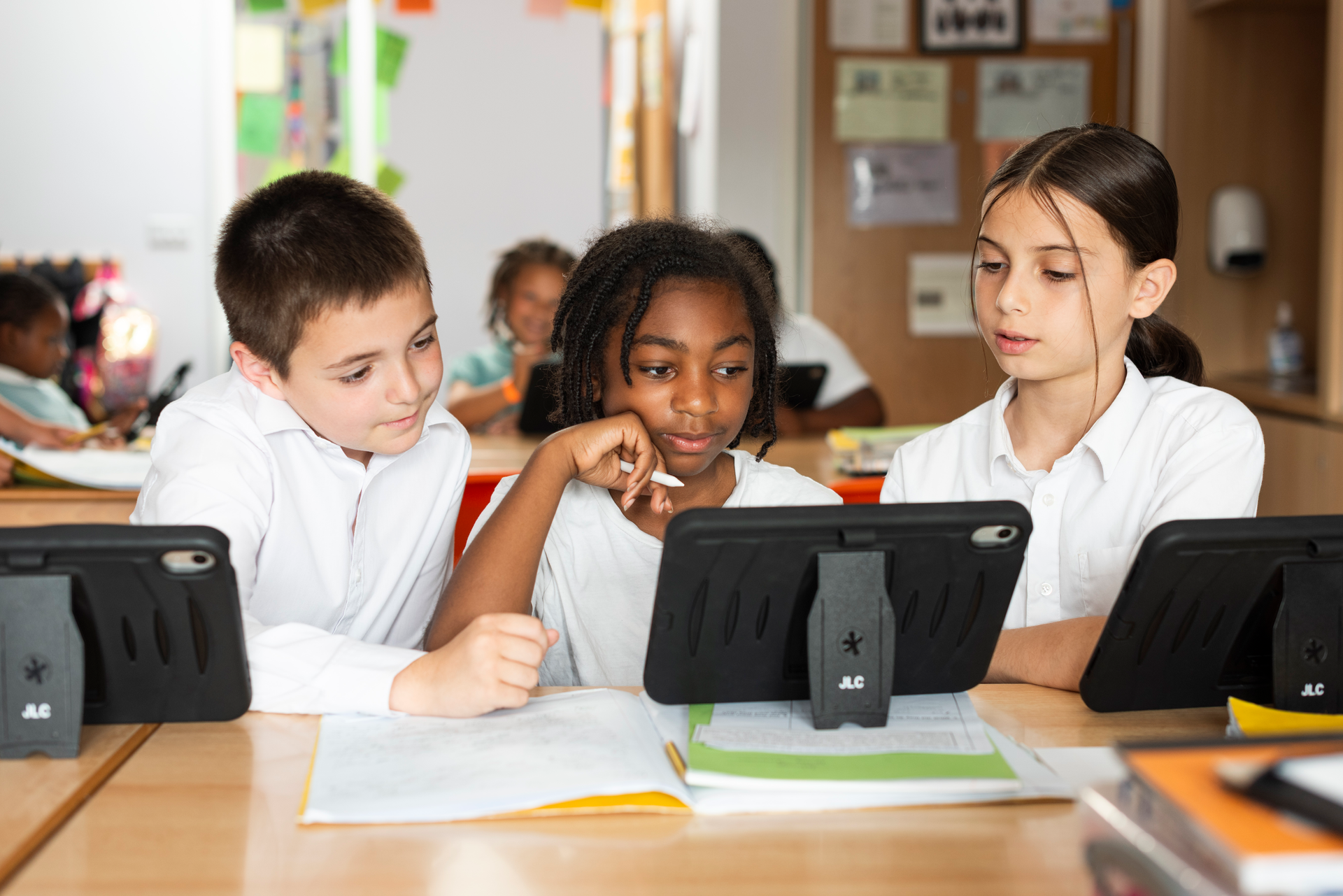
From Year 2 onwards, structured reading comprehension lessons take place several times a week. These lessons are based on high-quality texts and are aligned to the reading domains in the National Curriculum, supporting pupils in developing the full range of comprehension strategies. Skills such as retrieval, vocabulary clarification, sequencing and summarising, inference, prediction and justification are explicitly taught. Pupils are encouraged to reflect on how they learn and apply these strategies through small, scaffolded steps, using a metacognitive approach. Once secure, they apply these skills to challenging texts, deepening their understanding and critical thinking. Oracy is embedded through Voice 21 strategies, enabling pupils to articulate their thinking, discuss interpretations and build spoken language skills. Vocabulary is explicitly taught and revisited. Teachers model fluent and expressive reading, whilst pupils develop their reading skills through a variety of approaches including whole-class choral reading, paired reading and independent practice. Digital tools such as Bug Club and iPad-based reading apps provide additional independent reading, fluency and comprehension opportunities.
Verbal feedback is a key tool used during phonics and reading lessons. It is immediate, constructive and supports children with correcting errors in decoding, fluency and comprehension. Teachers use modelling, prompts and questioning to guide children toward deeper understanding. In Years 2-6, written feedback is provided to at least one focus group during each lesson, enabling pupils to address misconceptions, persist through challenges and build resilience by refining their understanding and trying again.
Assessment is integral to our reading approach and ensures teaching is responsive to the needs of all learners. Little Wandle (Letters and Sounds Revised) phonics assessments and digital assessments (Reading Progress and Reading Coach), are carried out every half term to support teacher assessments. This assessment information is used to track progress, identify gaps and implement timely interventions. It allows teachers to adapt planning, provide targeted support and adjust teaching strategies to meet individual needs. Assessment outcomes are shared with parents regularly to promote a strong home-school partnership and support pupil progress. Years 1, 3, 4 and 5 use NFER reading assessments mid-year and end of year to support teacher judgements. Years 2 and 6 use SATS papers for this process. Year 6 complete statutory end of Key Stage 2 assessments.
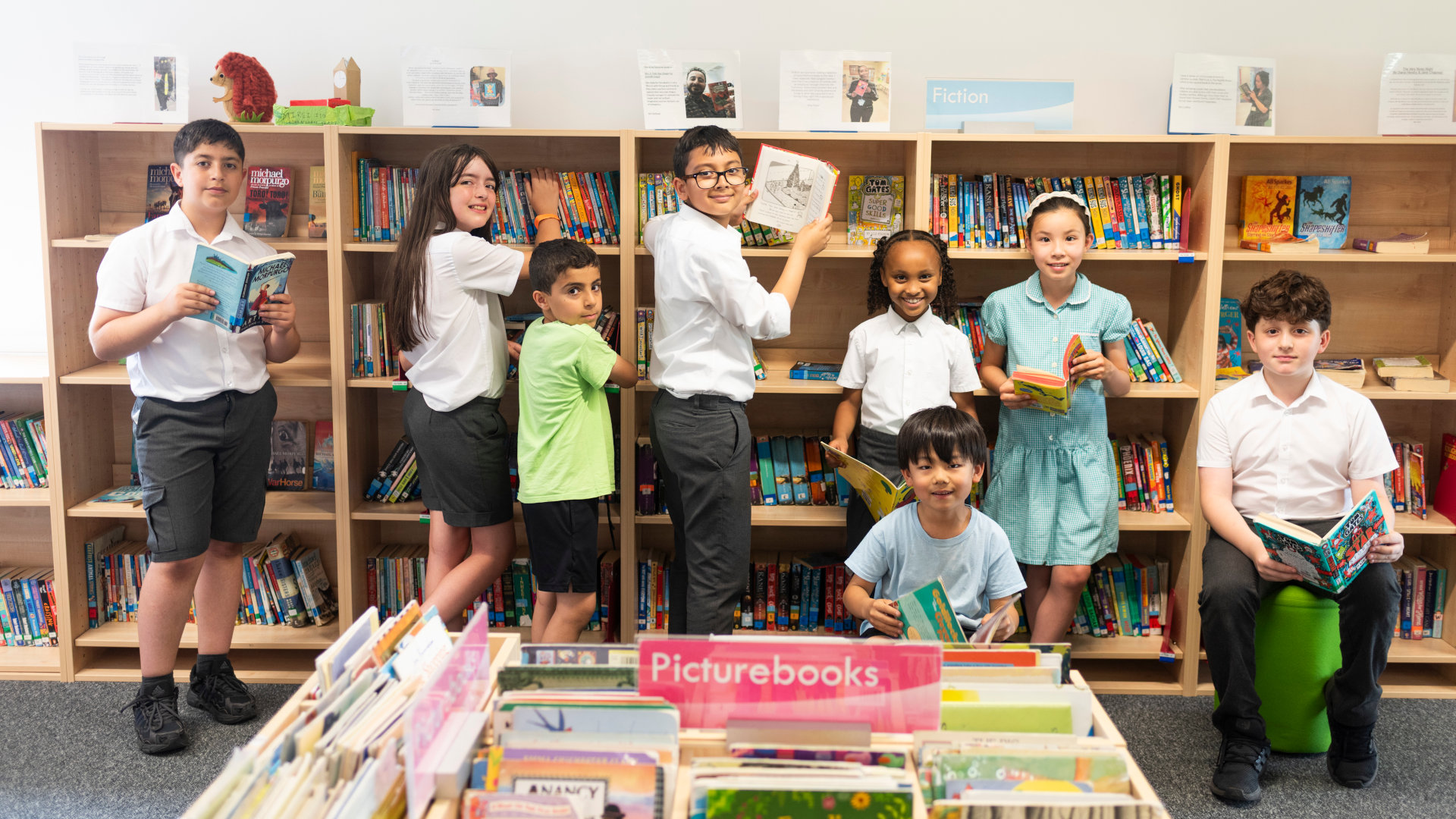
We value reading for pleasure highly and work hard as a school to grow our “reading for pleasure” pedagogy. Every classroom has an inviting book corner that encourages a love for reading. Books are displayed in classrooms to encourage and support children when selecting books. In Nursery and Reception, children can explore books freely throughout the day. The books in these reading corners are continually refreshed. Each class visits the school library once a week to explore a broad range of books and chooses books to take home. Pupils are taught how to choose books that match their reading level, as well as being taught how a library is organised, so they can use if effectively.
Every class timetables daily “class novel or story time” where we read stories, non-fiction and poetry to the pupils to help develop their love of books. We choose these books carefully as we want our pupils to experience a wide range of books, including books that reflect the community at West Acton Primary School, as well as books that open windows into other worlds and cultures. Part of our reading timetable includes a “Book Club” where children develop their oracy skills and engage in discussions, using structured talk frames to recommend their texts.
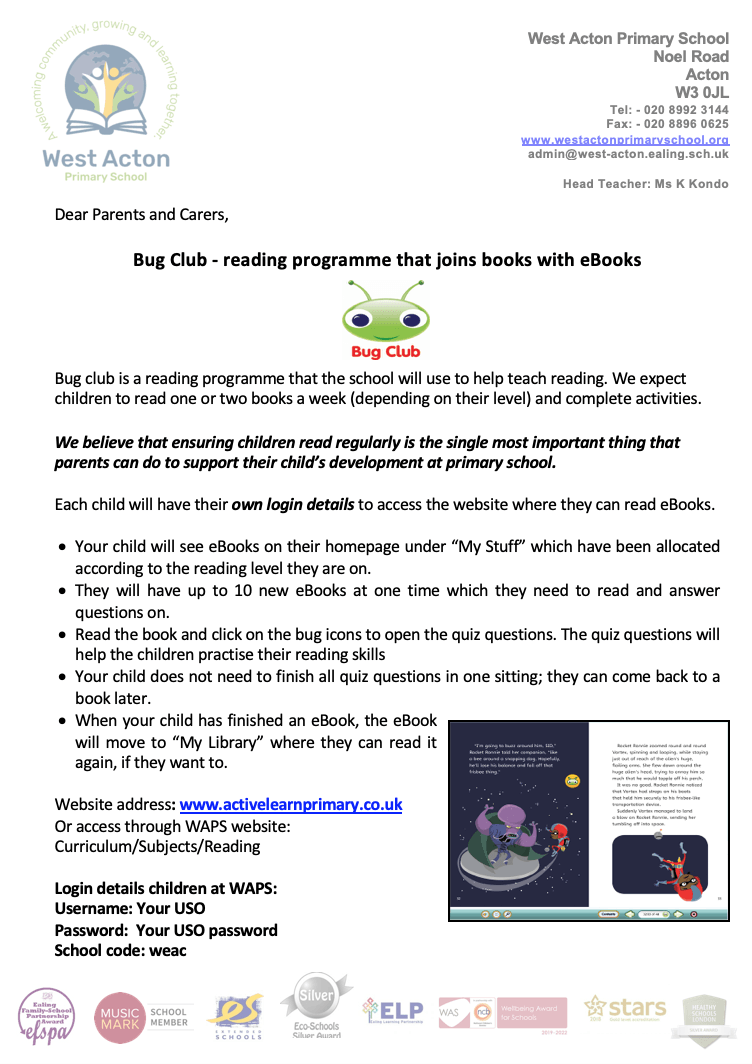
A home-reading book, matched at the appropriate book-band level for each pupil, is taken home to ensure pupils practise their decoding and fluency skills whilst sharing their successes with our pupils’ families. A library book also goes home for parents to share and read with their child. Pupils from Reception onwards have a home reading diary where parents/carers record comments to share about the books that their child has read. Staff also write messages in the home reading diary to continue communication between home and school. As our pupils progress through our school, they are encouraged to write their own comments and keep a list of the books/authors that they have read taking responsibility for tracking their own reading journey. Additionally, all pupils have an account with Bug Club, our digital reading platform. Bug Club provides additional home-learning opportunities, ensuring children can access audiobooks and e-books to practise their reading skills at home.
Impact
Children at West Acton Primary School achieve well in reading. They actively engage in reading lessons, confidently expressing their ideas through oracy and developing an appreciation for a wide variety of texts. Parents are key partners in our reading journey, actively supporting learning at home. Pupil voice shows that our children enjoy reading and value the opportunities they have to read both at school and at home.
Our pupils develop into confident, fluent readers who are able to discuss books thoughtfully and make links between texts and their own experiences. They read with increasing accuracy, expression and understanding, enabling them to access the wider curriculum successfully. Children demonstrate positive attitudes towards reading and many choose to read independently for pleasure. Through our strong reading culture, pupils build the vocabulary, knowledge and confidence they need to become lifelong readers and successful learners.
Adaptive Teaching and Inclusion
Our reading curriculum is inclusive and responsive to all learners. Adaptive teaching strategies are embedded to support pupils with SEND, EAL and those working below age-related expectations. Use of visual cues, targeted vocabulary pre-teaching and differentiated texts ensures all pupils can access and enjoy reading. Cued articulation, Voice 21 strategies and digital tools provide multimodal support for diverse needs. ‘Reaching Deeper' challenges and targeted group feedback offer stretch and enrichment opportunities for pupils working at greater depth in reading, enabling them to explore texts with increased complexity and sophistication.
Cultural Capital
To enrich our pupils' reading experiences, we offer a range of cultural opportunities, such as author visits, storytelling workshops and theatre trips, which bring texts to life. Visits to libraries, bookshops and book events, such as World Book Day, Book Week, the National Year of Reading and Ealing Book Festival, are used to help children connect reading with the wider world and develop a deeper appreciation for literature.
Home Learning
All pupils from Reception to Year 6 are expected to read for at least 20 minutes, five times a week at home. In addition, specific pupils and year groups receive phonics and comprehension homework to further support their learning. Pupils are encouraged to use digital platforms such as Bug Club at least once a week. For younger children, Bug Club books are shorter and intended to be completed within a week, whilst older pupils may spend longer on more complex texts. Teachers monitor usage and progress on Bug Club to ensure consistent engagement and weekly certificates are awarded to top Bug Club readers. Parents of pupils in Reception to Year 2 are asked to listen to their child read at least five times per week, often re-reading the same short texts to develop decoding, fluency and comprehension. As pupils become more fluent, they are encouraged to read independently, though parents are still expected to listen to their child read at least once a week. Reading diaries should be signed and include a brief comment. From Year 2 onwards, pupils are encouraged to start writing their own reflections in the diary, whilst parents continue to sign weekly. Regular guidance for families is offered through workshops and newsletters to help them support reading at home effectively.
RESOURCES
West Acton subscribes to several high quality online resources for which a login is needed. Logins will be provided by your class teacher and are also available to request here.
Below are details of how each online resource specifically applies to writing.
 |
Bug Club
|
 |
Purple Mash |
 |
My USO
|

Reading Lists
|
- Early Years - |
 |
 |
 |
 |
|
- Key Stage 1 - |
|
|
|
|
|
- Key Stage 2 - |
|
|
|
|
|
|
|
 --------------------------------- |
|
 --------------------------------- |
 --------------------------------- |
 --------------------------------- |


READING AT HOME


Storytime team have collaborated with Queen Mary University of London, to create these We Are Heroes mini magazines.
Each edition contains stories that have parallels to experiences of lockdown that children could be facing – such as staying at home or protecting yourself – with additional activities produced in consultation with a children’s mental health expert.
We hope it gives children a creative way of thinking about the current situation they find themselves in.
 |
 |
 |
 |
 |


