DESIGN & TECHNOLOGY
Curriculum Map

Intent
Our Art and Design curriculum aims to inspire creativity, imagination and self-expression while providing pupils with the knowledge and skills needed to succeed in an ever-changing world. In line with the National Curriculum for Primary Education, we encourage pupils to produce creative work, explore ideas, become proficient in a range of artistic techniques and evaluate and analyse creative works using the language of art, craft and design. We aim to increase cultural capital for all pupils by celebrating and learning from the rich diversity of our school community and the wider world. Through a carefully sequenced curriculum, pupils develop a coherent progression of artistic skills, knowledge and meaningful experiences that nurture confidence, resilience and ambition. Children are introduced to influential artists, designers and craftspeople from different cultures and periods of history, enabling them to build strong recall and appreciation of the impact of art and design on society. We celebrate individual talent, encourage pupils to aspire highly and introduce them to creative careers and industries they may not yet be aware of. Our curriculum also prepares pupils for the future by developing their understanding and use of technology within art and design. We are committed to ensuring equality of opportunity for all learners, closing the gap between disadvantaged pupils and their peers through rich first-hand experiences that foster a lifelong love of Art and Design and Design Technology.
Implementation
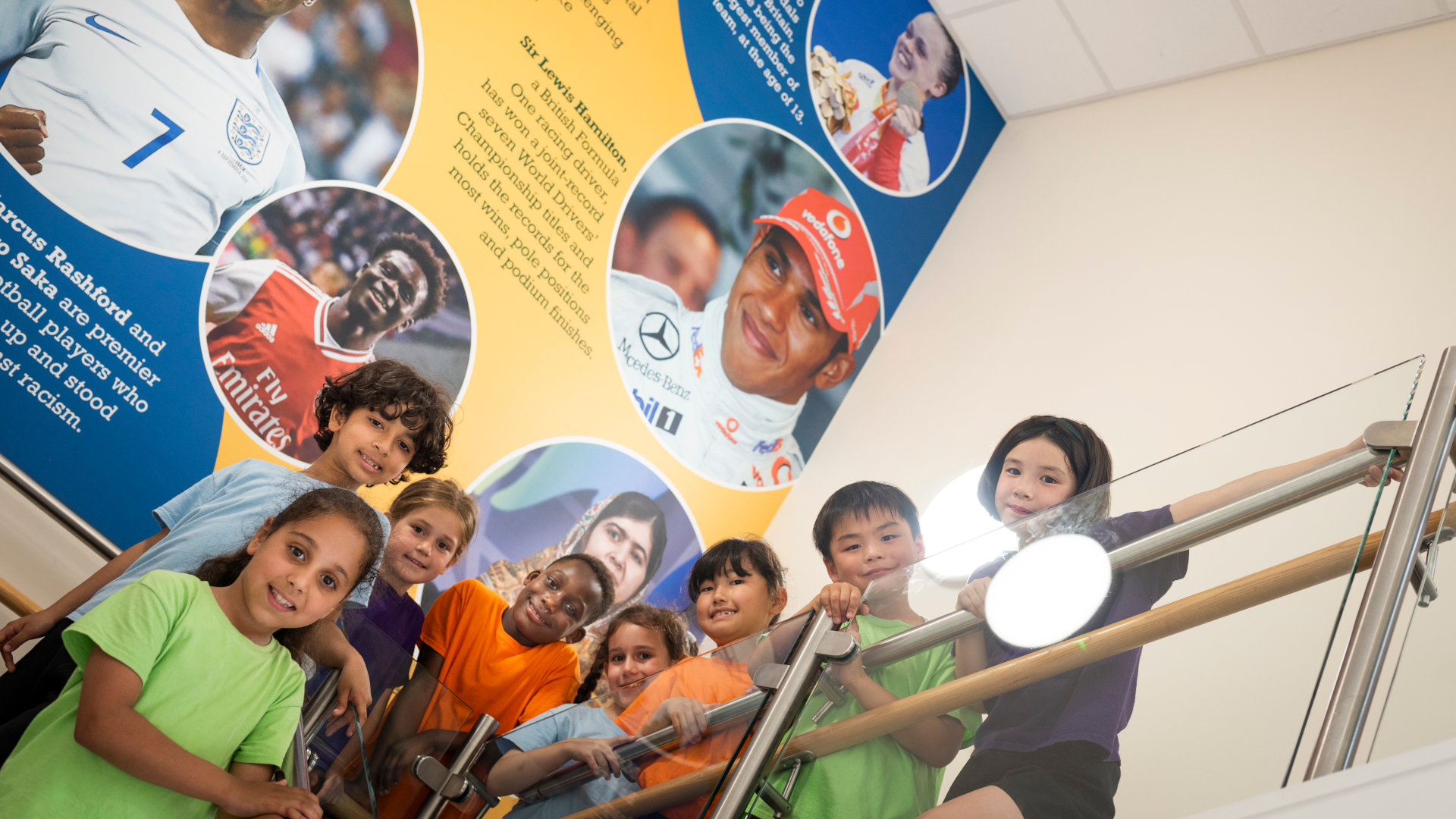
Our Art and Design curriculum is implemented through a carefully planned and inclusive approach that celebrates the rich diversity of our pupils’ heritage while broadening their understanding of art and creativity across the world. We study a diverse range of artists and designers from every continent to ensure our curriculum reflects the backgrounds, experiences and cultures of our school community. Pupils learn about both historical and contemporary artists, including those currently working within the creative industries, helping children to understand the wide variety of careers available through art and design. We also explore artists who work with traditional materials alongside those using digital media, photography and AI-generated art, preparing pupils for the increasing role of technology within creative futures. To strengthen pupils’ knowledge and recall of influential artists and designers, artwork is celebrated throughout the school environment. Corridor displays showcase the artists being studied across year groups alongside pupils’ own work inspired by these artists, creating meaningful links between professional practice and children’s creativity. Through this approach, pupils are continually exposed to artistic vocabulary, techniques and inspiration, helping to embed learning and foster pride in their own artistic achievements.
Impact
The impact of our Art and Design curriculum is evident in pupils’ growing knowledge, confidence and enthusiasm for creativity. Pupils can confidently recall a wide range of artists from different time periods, continents and backgrounds, and increasingly see themselves reflected in the artists they study. Children speak positively and passionately about influential artists, with KS1 pupils recalling artists from the past 1–2 years and KS2 pupils retaining knowledge from across 3–4 years of learning, demonstrating strong progression in recall and understanding. Pupils use subject-specific vocabulary with increasing accuracy when discussing techniques, materials and artistic styles, and they have a clear understanding of the purpose and intended outcome of each project. Through creative exploration, pupils develop resilience and problem-solving skills, learning to adapt and improve their work when faced with challenges. They also leave primary school with a broader awareness of careers within the art and design industry, helping to raise aspirations and prepare them for future learning and opportunities in secondary education and beyond.
Adaptive Teaching and Inclusion
In Art and Design, we ensure all pupils, including those with SEND, are able to access and succeed in the curriculum through appropriate support and adaptation. Lessons are carefully planned to be inclusive, with clear modelling, step-by-step instructions and visual supports to help pupils understand and follow tasks. We adapt resources, tools and materials where needed so that all children can participate fully and safely in practical activities. Tasks are broken down into manageable steps and outcomes are personalised to meet individual needs, while still allowing pupils to develop creativity and independence. Additional scaffolds such as visual prompts, vocabulary support and adult guidance are used to build confidence and understanding. Pupils are given opportunities to express themselves in a variety of ways, ensuring that all children can achieve success and take pride in their artwork regardless of starting point.
Home Learning
We encourage families to support learning in Art and Design at home by visiting art galleries, exploring creative spaces, or researching the artists their child is studying in school. These experiences help to deepen understanding, inspire creativity and strengthen pupils’ enjoyment of the subject beyond the classroom.
Cultural Capital
We enrich cultural capital in Art and Design through a wide range of experiences that broaden pupils’ horizons and deepen their understanding of the creative world. Pupils take part in educational visits to galleries such as Tate Britain, where they experience original artworks and learn from professional exhibitions. We also offer online workshops and virtual sessions with artists, giving pupils opportunities to engage with creative practices beyond the classroom. An annual school art gallery further celebrates pupils’ work, showcasing their creativity to the wider school community and helping them to take pride in their achievements. In addition, art clubs provide opportunities for pupils to explore new techniques, develop their skills and express themselves creatively in a supportive environment. These experiences help to inspire ambition, raise aspirations and foster a lifelong appreciation of art and design.
Resources


