
ART & DESIGN
Curriculum Map

Intent
Our Design and Technology curriculum inspires pupils to become creative problem-solvers who can design, make and evaluate products for a range of real-life purposes. In line with the National Curriculum for Primary Education, pupils develop the creative, technical and practical expertise needed to perform everyday tasks confidently and participate successfully in an increasingly technological world. Through a carefully planned progression of skills and knowledge, children learn to design purposeful products, use a range of tools and materials safely, and evaluate and improve their ideas and creations. We aim to increase cultural capital for all pupils by celebrating diversity, encouraging innovation and helping children understand how design and technology shape the world around them. Pupils explore the work of influential designers, engineers, inventors and architects, developing strong knowledge recall and an appreciation of how design impacts everyday life. We celebrate creativity and talent, nurture ambition and introduce pupils to a wide range of future careers within design, engineering, manufacturing, food technology and digital industries. Technology is embedded throughout the curriculum to prepare pupils for the demands of the modern world and future workplaces. We are committed to providing meaningful hands-on experiences for all learners and ensuring disadvantaged pupils have equal opportunities to develop confidence, resilience, practical skills and a lasting enthusiasm for Design and Technology.
Implementation
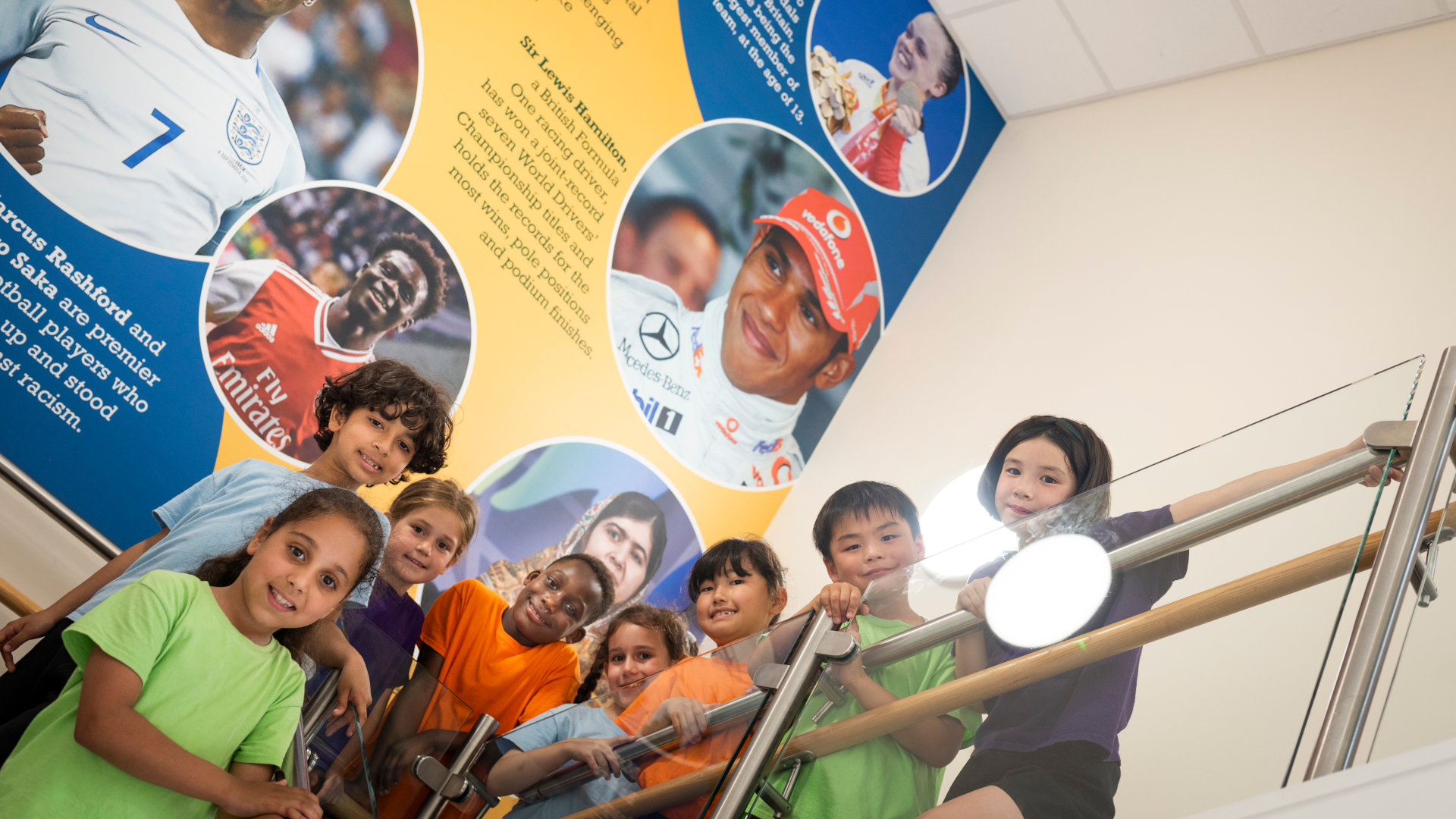
Our Design and Technology curriculum is implemented through practical and creative learning experiences that allow pupils to design, make and evaluate a range of products. We celebrate the diversity of our pupils’ heritage by exploring designs, inventions and food from different cultures around the world. Pupils learn about influential designers, engineers and chefs, including people working in these industries today, helping children understand the wide range of careers linked to Design and Technology. Throughout the curriculum, pupils develop skills in mechanisms, textiles, clay and food technology, alongside using a variety of tools, materials and technology safely and creatively. In food technology, children learn about healthy eating, nutrition and preparing simple dishes safely and hygienically. Learning is celebrated across the school through displays of pupils’ work, including models, textiles and design projects inspired by the designers and creators they have studied. This helps pupils build knowledge, develop creativity and take pride in their achievements.
Impact
The impact of our Design and Technology curriculum is evident in pupils’ growing confidence, creativity and practical skills. Pupils can design, make and evaluate a range of products using knowledge and skills developed over time in mechanisms, textiles, clay and food technology. They are increasingly able to talk about and learn from designers, engineers and chefs from different backgrounds and cultures, helping them to understand how design and technology shape the world around them. Pupils use subject-specific vocabulary accurately and can explain the purpose and process of their designs with confidence. In food technology, children are able to prepare simple, healthy snacks and meals, and understand the importance of a balanced diet and nutrition. Through practical experiences, pupils develop resilience, independence and problem-solving skills, learning to adapt their ideas when something does not go to plan. By the end of primary school, pupils have a clearer understanding of the wide range of careers linked to Design and Technology and are well prepared for further learning in secondary school.
Adpative Teaching and Inclusion
In Design and Technology, we ensure all pupils, including those with SEND, can fully access practical and creative learning experiences. Lessons are carefully structured with clear modelling, visual instructions and step-by-step guidance to support understanding. Tasks are broken down into manageable stages, allowing pupils to build confidence and achieve success at each point of the design, make and evaluate process. We adapt tools, materials and equipment where needed to ensure all pupils can participate safely and effectively in areas such as mechanisms, textiles, clay and food technology. Additional scaffolds such as visual prompts, word banks and adult support are used to reinforce learning and develop independence. Pupils are encouraged to express their ideas in a range of ways, ensuring that all children can take part, achieve and be proud of their outcomes regardless of their individual starting points.
Home Learning/ Supporting at home
We encourage families to support learning in Design and Technology at home by exploring how products are used in everyday life, cooking simple meals together, or researching designers, engineers and chefs linked to their child’s learning. These experiences help pupils to make real-life connections, deepen understanding and further develop their creativity and curiosity beyond the classroom.
Cultural Capital
We enrich cultural capital in Design and Technology by providing pupils with a range of meaningful, real-world experiences that extend learning beyond the classroom. Some year groups take part in cooking workshops, where they develop practical skills, learn about nutrition and prepare a variety of dishes. Pupils also visit art galleries, helping them to gain inspiration from design, structure and creativity in the wider world. These experiences help pupils understand where food comes from and how to make healthy, balanced choices, as well as how design influences everyday life. Across the school, pupils learn from real designers, engineers and chefs, helping to inspire creativity, raise aspirations and deepen their understanding of how Design and Technology shapes the world around them.
Resources


